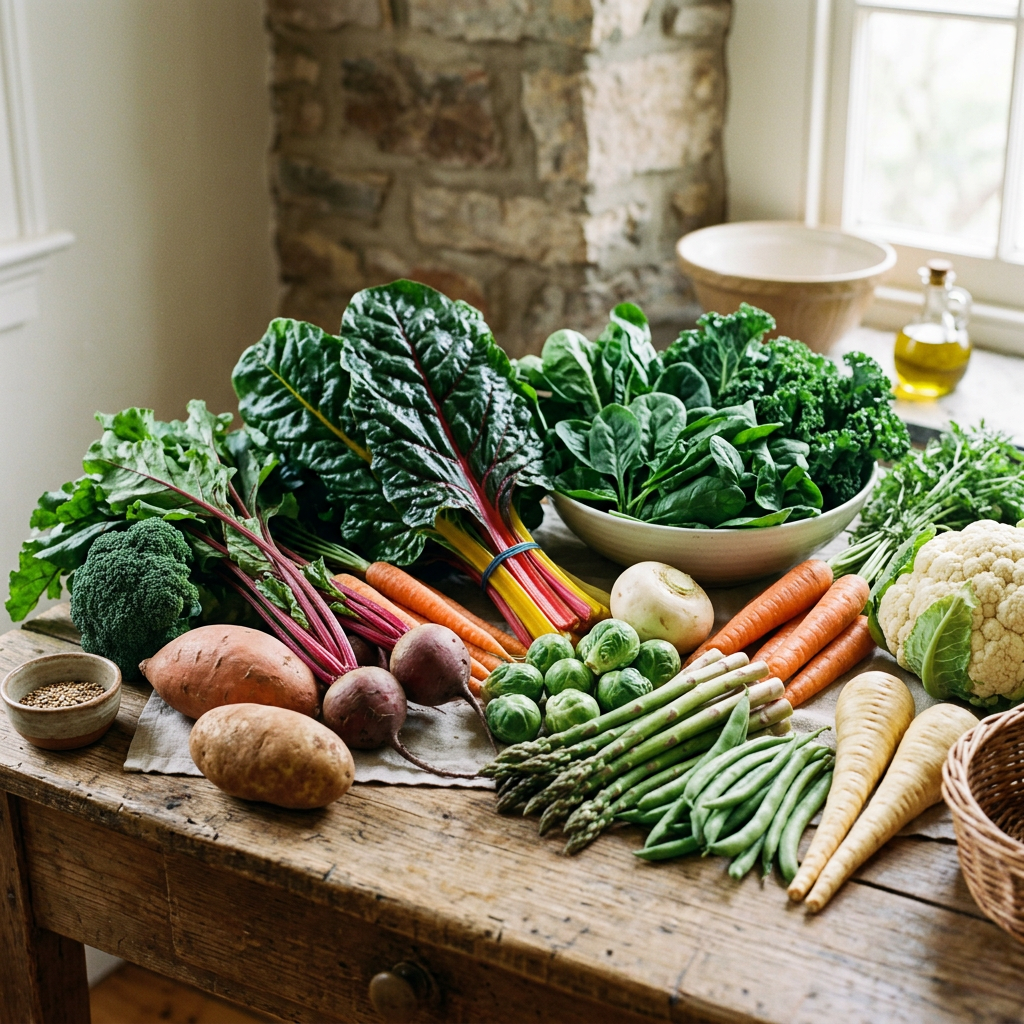
If you have kidney disease, managing potassium can feel like an all-or-nothing game- especially with vegetables like sweet potatoes, squash, and greens. The good news? You don’t have to eliminate every high-potassium vegetable from your diet. By using smart kitchen prep techniques, you can significantly reduce the potassium content in your favorite produce.
Why Potassium Leaches into Water
Potassium is a water-soluble mineral. When high potassium vegetables are cut into small pieces and soaked or boiled in large amounts of water, a portion of the potassium naturally draws out into the liquid.
While this techniques most famously used for white potatoes- as covered in detail in our step-by-step guide How to Leach Potassium out of Your Favorite Vegetables – you can apply similar principles to other root vegetables and greens.
Double- Boiling vs Cold Soaking
- Cold Water Soaking: Peeling, dicing, and Soaking vegetables in cold water for 2 to 4 hours pulls out moderate amounts of potassium. It works best for dense rot vegetables like carrots, beets, and sweet potatoes.
- Double- Boiling: This is the most effective home method. Peel and slice the vegetable, boil it in water for 5 minutes, drain the water, add fresh hot water, and finish cooking. Double-boiling can reduce potassium levels by up to 50% depending on the vegetable type and size of the cut.
THE LOW-POTASSIUM PREP CHEAT SHEET
Want a printable reference for your fridge? Download our free 1 page PDF featuring exact soak times, cut sizes, and potassium reduction percentages for 10 popular vegetables.
Best Vegetables for Leaching
- Sweet Potatoes & Yams: Peel, thin-slice, and double-boil before roasting or mashing.
- Winter Squash (Butternut, Acorn): Dice into 1/2 inchcubes and soak or double-boil before adding to soups or casseroles
- Dark Leafy Greens (Spinach, Kale): Boil in large amounts of water and discard the cooking liquid entirely- never use the broth.
Always discuss your individual potassium limits with your renal dietitian, as lab values vary greatly from person to person.
 Kidney Nutrition Notes
Leave a comment