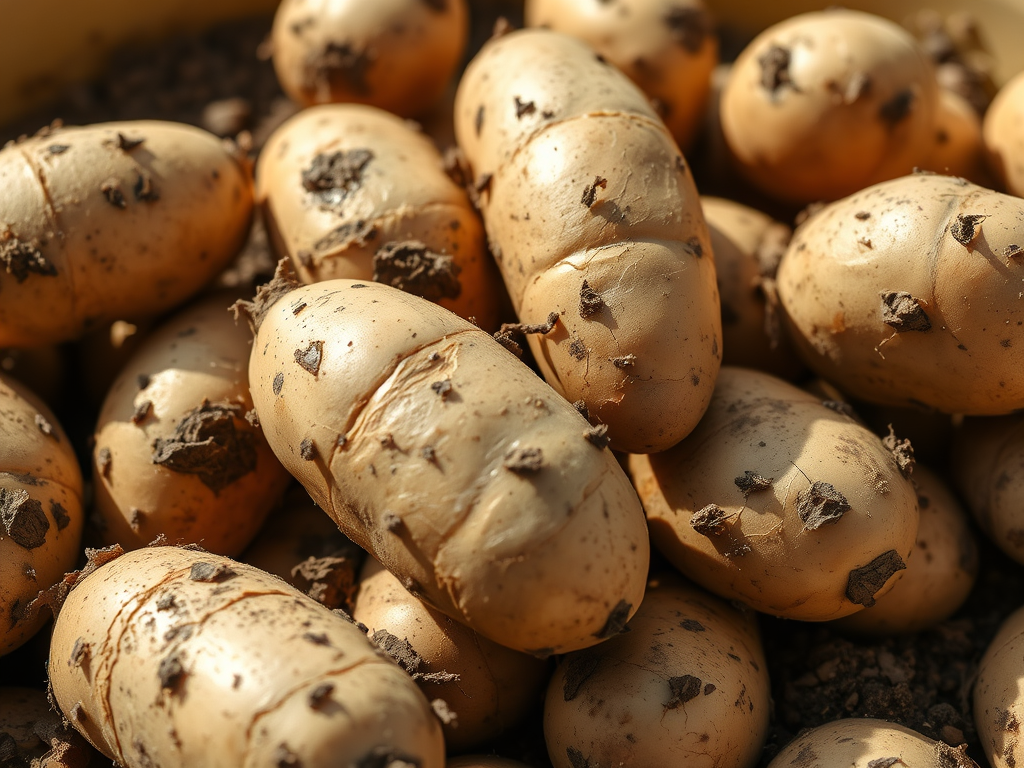
If you’ve been diagnosed with Stage 3 or 4 Chronic Kidney Disease (CKD), you’ve probably seen the foods that are on the “No” list. At the top of that list is usually the potato. It’s a heartbreaking moment for many of my patients- giving up mashed potatoes, fries, or hearty stews feels like losing a piece of comfort.
But what if I told you: You don’t always have to say goodbye to the potato.
By using a clinical kitchen hack called “leaching” you can pull a significant amount of potassium out of high potassium vegetables, making them much safer for your kidneys.
What Exactly is Leaching?
Potassium is a water soluble mineral. Think of a vegetable like a sponge; when you soak it in water, the potassium “leaks” out of the vegetable and into the water.
By following a specific set of steps, you can reduce the potassium content of certain vegetables by 50% to 75%.
Step-by-Step: How to Leach Your Vegetables
To get the best results, you can’t just soak a whole potato in a bowl. You have to maximize the surface area. Follow these five steps:
- Peel It: The skin of a potato or carrot is dense with potassium. Start by peeling them completely.
- Slice It Thin: This is the most important step. Slice the vegetable into thin pieces (about 1/8th of an inch). The thinner the slice, the more potassium can escape.
- The Warm Water Rinse: Rinse the slices in warm water for about a minute to remove surface starch.
- The “Big Soak”: Place the slices in a large pot. Use a ratio of 10 parts water to 1 part vegetable. Let them soak for at least two hours. If you’re planning ahead, you can even let them soak overnight in the refrigerator.
- Final Rinse and Boil: Drain the soaking water (never use it for cooking!). Rinse the vegetables one last time, then boil them in a large pot of fresh unsalted water.
Which Vegetables Benefit from Leaching?
While potatoes are the most common vegetable we leach, this process works for several high potassium staples:
- Potatoes (all varieties, though red-skinned are naturally lower then Russets).
- Carrots (great for stews).
- Beets.
- Winter Squash.
Word of Caution! Leaching does not make a vegetable “potassium free”. It simply moves it from a “High” Category to a “Medium” or “Low” category.
Even after leaching, you still need to practice portion control. A kidney friendly serving is typically 1/2 cup. Always check your most recent lab results and consult with your renal dietitian.
The Bottom Line
Knowledge is power! Understanding how to manipulate the nutrients in your food allows you to enjoy the flavors you love while protecting your kidney function.
Have you tried leaching your vegetables before? Let me know in the comments if you have any questions about the process!
About the Author:
Written by, Stephanie Suhai, MS,RD,CSR. With 16+ years of clinical experience, Stephanie specializes in helping patients navigate the complexities of renal nutrition with practical, science-based advice.
 Kidney Nutrition Notes
Leave a comment